
May 21, 2026
Some Like It Hot: The Surprising Health Benefits of Chili Peppers
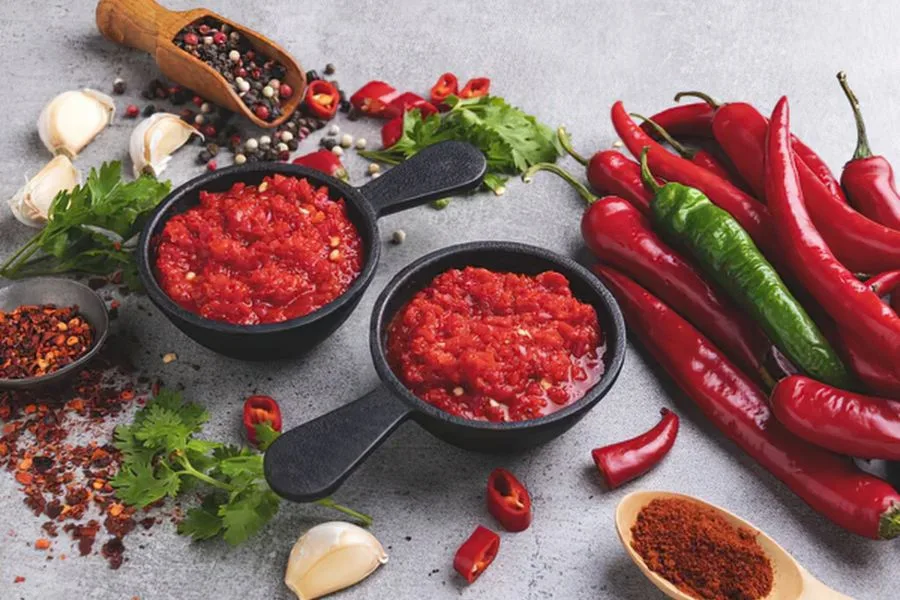
WellCentric Health spends a lot of time talking about the major pillars of health: food quality, blood sugar control, sleep, movement, stress resilience, inflammation, and metabolic health. But every once in a while, science gives us permission to talk about something a little more fun.
Like chili peppers.
Spicy food is not subtle. It announces itself. Your mouth warms up. Your nose runs. Your forehead may start to sweat. You may briefly wonder whether you made a courageous culinary choice or a terrible personal mistake.
But that “heat” is not just culinary drama. Chili peppers contain a natural compound called capsaicin, which is responsible for the burning sensation. Capsaicin interacts with heat-sensing nerves in the body. In plain English, it tells your body, “Something hot is happening here,” even when the food itself is not actually burning you.
And that signal may do more than make dinner interesting. Research suggests that capsaicin may have modest but real effects on metabolism, appetite, blood sugar regulation, circulation, inflammation, and pain signaling.
Now, before we get carried away, chili peppers are not magic. They will not undo a poor diet, replace exercise, fix sleep deprivation, or turn nachos into health food. But for people who enjoy spicy food and tolerate it well, chili peppers may be a flavorful way to add a small health-supportive signal to an already good lifestyle.
I’ll admit my bias up front: I love spicy food. My interest started years ago when I worked as a cook and was learning how different seasonings changed the experience of food. One simple observation stuck with me: pepper does more than season food; it wakes food up. So I began using tiny amounts of chili pepper the same way, not to make food hot, but to make it more alive.
Then, as often happens with spicy food, things escalated. What used to seem hot became mild, and now anything below Serrano-level heat feels like it is barely participating.
That is not a medical recommendation. That is a confession.
But it highlights an important point: chili peppers are not just about punishment. Used well, they add depth, brightness, and satisfaction to real food. And if capsaicin also provides a small metabolic or vascular benefit, even better.
What Is Capsaicin? The “Heat Molecule” in Chili Peppers
Capsaicin is the main compound that gives chili peppers their heat. It is found mostly in the white inner membrane of the pepper, not just the seeds, although the seeds often pick up capsaicin because they sit against that membrane.
When you eat chili peppers, capsaicin activates heat-sensitive receptors in the body. These receptors help us sense temperature, irritation, and pain. But they also appear to interact with metabolism, blood vessels, immune signaling, and the nervous system.
That is why capsaicin has become interesting to researchers. It is not just a flavor compound. It is a biological signal.
A useful way to think about it is this: capsaicin gives the body a small “wake-up signal.” Like exercise, sauna, cold exposure, fasting, or plant compounds such as polyphenols, it may act as a mild stressor that encourages the body to adapt in healthy ways.
The dose matters. The person matters. The context matters.
A little heat in a healthy meal may be helpful. A ghost pepper challenge filmed for social media is not a longevity protocol.
Can Chili Peppers Boost Metabolism?
A Small Metabolic Nudge, Not a Miracle
Capsaicin may slightly increase how much energy the body burns after a meal. It can also increase heat production and may encourage the body to burn a little more fat for fuel.
That sounds exciting, but the effect is modest. This is not a weight-loss drug hiding in your salsa.
A better way to think about it is this: spicy food may provide a small metabolic nudge. If someone is already eating well, exercising, sleeping, and working on blood sugar balance, chili peppers may add a small benefit. But if the rest of the lifestyle is poor, capsaicin will not rescue the situation.
Sprinkling cayenne on processed food does not make it a health intervention. It just makes the processed food more aggressive.
Spicy Food & Appetite Control
Why Heat Slows People Down
Spicy food may also help with appetite control. Some studies suggest capsaicin can increase fullness and reduce how much people eat at a meal.
Part of this may be biology. Capsaicin may influence the way the body senses fullness and responds after eating. But part of it may also be very practical: spicy food slows people down.
Most people do not inhale a bowl of spicy chili at the same speed they eat bland crackers or chips. Heat makes you pay attention. It increases sensory engagement. It can make simple whole foods taste more satisfying.
That matters because one of the biggest problems with modern processed food is that it is designed to be eaten quickly, mindlessly, and in excess. Spicy, flavorful real food can push in the opposite direction.
A well-seasoned meal built around protein, vegetables, herbs, spices, healthy fats, beans, lentils, or quality meats is very different from a bland “diet meal” someone forces down for three days before returning to nachos and despair.
Flavor matters. Enjoyment matters. Sustainability matters.
Chili Peppers & Blood Sugar Support
Not a Substitute for the Basics
Capsaicin may support healthier blood sugar handling, especially in people with insulin resistance or metabolic syndrome. Researchers are studying whether it improves how the body responds to glucose and insulin after meals.
This is promising, but it should be kept in perspective.
The biggest drivers of blood sugar health are still food quality, muscle mass, movement, sleep, stress, inflammation, and overall metabolic health. Chili peppers may help at the margins, but they are not a substitute for the basics.
Think of capsaicin as a helpful assistant, not the project manager.
If someone is eating whole foods, prioritizing protein, building muscle, reducing refined carbohydrates, walking after meals, sleeping well, and lowering stress, chili peppers may fit nicely into that picture.
If someone is eating ultra-processed food, sleeping four hours, and washing down cinnamon rolls with “metabolic support tea,” the jalapeños are not going to carry the team.
Heart Health & Circulation Benefits of Chili Peppers
What the Research Actually Shows
Chili peppers may also support blood vessel function. Some research suggests capsaicin can help blood vessels relax and may support healthier circulation.
This matters because healthy blood vessels are not stiff pipes. They are living tissue. They need to expand, relax, communicate, and respond.
Good circulation matters for blood pressure, heart health, brain health, exercise capacity, sexual function, and overall vitality. Anything that supports healthy vascular responsiveness is worth paying attention to, as long as we keep the claims appropriately modest.
Population studies have also found that people who eat spicy foods regularly often have lower rates of death from cardiovascular disease and other causes. That does not prove chili peppers are the reason. People who eat spicy foods may differ in many other ways. Their overall diet, activity, weight, smoking status, culture, and lifestyle may all influence the results.
So we cannot honestly say chili peppers “prevent heart disease.”
What we can say is more measured: regular chili pepper intake has been associated with better long-term health outcomes in some large studies, and the underlying vascular physiology is plausible.
Not proven. Not magic. But interesting.
Capsaicin & Pain Relief
Why Capsaicin Is Used in Pain Creams
Capsaicin has a strange relationship with pain. At first, it burns. That part is obvious to anyone who has ever confused a habanero with a harmless little orange vegetable.
But with repeated exposure, capsaicin can make certain pain nerves less reactive. That is why capsaicin is used in some topical creams and patches for nerve pain.
These products are different from eating peppers, and eating spicy food should not be viewed as a treatment for neuropathy or chronic pain. But this does show that capsaicin has real effects on nerve signaling. It is not merely “hot flavor.” It has measurable biologic activity.
In other words, the pepper is not just being dramatic. It is doing chemistry.
Chili Peppers, Inflammation, & Gut Health
Why Personal Tolerance Matters
Capsaicin may help regulate inflammatory signaling in some settings. That could matter for metabolic health, vascular health, and overall resilience.
But this is where common sense is important.
For some people, spicy foods feel good and digest well. For others, they worsen reflux, gastritis, bowel urgency, hemorrhoids, abdominal pain, or digestive irritation. If chili peppers make your gut angry, they are not your medicine.
The goal is not to force a “healthy” food into a body that clearly objects.
This is a basic principle of personalized medicine: what helps one person may not help another. Food is information, but the body still gets a vote.
How Much Capsaicin or Spicy Food Should You Eat?
You Do Not Need Extreme Heat
The encouraging part is that the amount of capsaicin used in many studies is often within the range someone could get from food.
A practical daily amount might look something like this:
| Pepper | Real-world amount |
|---|---|
| Jalapeño | 1–3 peppers, depending on heat |
| Serrano | ½–1 pepper |
| Cayenne powder | A pinch to ¼ teaspoon |
| Habanero | A very small amount |
| Bell pepper | Healthy food, but no meaningful capsaicin |
These are rough estimates. Pepper heat varies tremendously depending on variety, growing conditions, ripeness, preparation, and how much of the inner membrane is included.
The point is not precision. The point is that you do not need heroic amounts.
You do not need to punish yourself. You do not need to eat ghost peppers. You do not need to prove anything to your family, your friends, or the internet.
A little regular heat is enough.
Best Ways to Add Chili Peppers to a Healthy Diet
Food First, Supplements Second
The best way to use chili peppers is in real food.
Add them to eggs, soups, stews, chili, tacos, lentils, beans, stir-fries, roasted vegetables, marinades, salsas, and sauces. Combine them with garlic, onion, cumin, oregano, turmeric, ginger, cilantro, lime, olive oil, avocado, grass-fed meats, wild fish, beans, or vegetables.
In other words, use chili peppers to make healthy food more flavorful.
That is a much better strategy than taking capsaicin capsules while continuing to eat ultra-processed food. A spicy processed snack is still a processed snack. “Flamin’ Hot” is not a wellness credential.
Used well, heat can make whole foods more enjoyable. And enjoyable healthy food is much easier to sustain than joyless healthy food.
A bland plan rarely survives contact with real life.
Who Should Avoid Spicy Foods?
Start Low if You Are New to Heat
Chili peppers are food, and for many people they are safe and enjoyable. But capsaicin can be irritating.
Be cautious with spicy foods if you have significant reflux, gastritis, ulcers, inflammatory bowel flares, severe IBS, hemorrhoids, fissures, or burning mouth symptoms.
Capsaicin supplements deserve extra caution because they are more concentrated than food and may cause more irritation. Food-based intake is usually the more sensible place to start.
And if you handle hot peppers, wash your hands carefully. Then wash them again. Then do not touch your eyes anyway.
The pepper has a long memory.
Also, a practical note: very hot peppers can be surprisingly potent. If you are new to spicy food, start low. Your digestive tract does not need a surprise fire drill.
Final Thoughts on the Health Benefits of Chili Peppers
Chili peppers are not a cure-all, but they are more than just culinary entertainment and mild self-harm. Capsaicin, the compound that gives peppers their heat, may modestly support metabolism, appetite regulation, blood sugar control, circulation, inflammation balance, and pain signaling.
The benefits are likely small, but small benefits can still matter when they are part of a larger healthy lifestyle. A little chili pepper in a real-food diet may be a useful nudge. A gas-station burrito labeled “Volcano Death Inferno” is not preventive medicine.
So if you enjoy spicy food and tolerate it well, there is good news: your love of chili peppers may have some real physiologic upside.
Just remember: the goal is not to defeat the pepper. The goal is to enjoy flavorful food while giving your body a small, useful signal.
Your salsa should make dinner better, not turn the next morning into a medical case study.